Key Takeaways
- Multi-cloud architectures require continuous data movement rather than scheduled transfers or full-table refresh jobs.
- CDC reduces latency and database load by replicating only changed records across cloud environments.
- Artie stands out for real-time operational replication into warehouse and lakehouse destinations with low operational overhead.
- Modern CDC platformsincreasingly need to support AI pipelines, real-time analytics, and cross-cloud data products.
- Reliability, observability, schema evolution, and recovery workflows matter as much as raw replication speed.
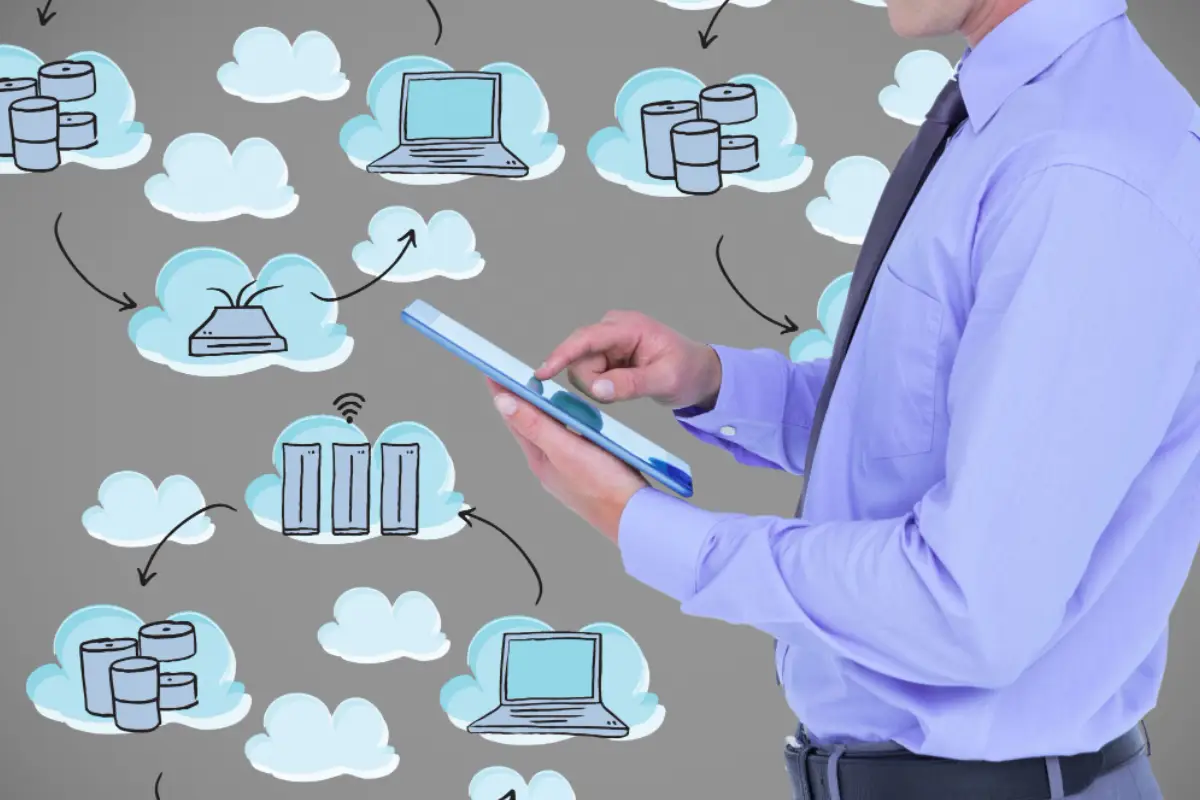
Multi-cloud is no longer an edge case. Many companies now run production systems across AWS, Google Cloud, Azure, private infrastructure, managed databases, SaaS platforms, data warehouses, and lakehouse environments. That flexibility helps teams avoid lock-in, optimize workloads, support acquisitions, and place systems closer to business needs.
Operational data may be created in one cloud, processed in another, analyzed in a third, and used by AI applications running somewhere else entirely. A customer record may live in a transactional database on AWS. Product events may flow into Google Cloud. The analytics team may use Snowflake. The AI team may use Databricks. Finance may depend on a warehouse in another region. Customer-facing applications may need the latest state across multiple systems.
What Modern CDC Platforms Need To Handle
A CDC platform for multi-cloud environments needs to do more than capture database logs. It must operate reliably across changing systems, changing schemas, and changing destinations.
A tool that works during the initial setup may still fail months later if it cannot handle operational reality.
Schema Changes Without Pipeline Failures
Source databases change all the time. Product teams add columns, modify data types, split tables, and change application logic. A CDC platform needs to handle those changes without breaking downstream pipelines every time the source evolves.
Schema evolution is especially important in multi-cloud environments because many downstream systems may depend on the same replicated data. One source change can affect several targets.
Recovery After Outages
Networks fail. Destinations slow down. Credentials expire. Source systems restart. Pipelines fall behind.
A modern CDC platform needs recovery workflows that allow teams to resume safely without data loss, duplication, or manual rebuilding. This matters even more when the pipeline supports AI products, dashboards, or customer-facing applications.
Real-Time Analytics Requirements
Analytics teams increasingly expect operational data to arrive continuously. A sales dashboard, product analytics system, or revenue operations workflow may lose value when data arrives hours late.
CDC helps analytics teams move closer to real-time decision-making without forcing operational databases to support repeated full extracts.
Platforms Leading Multi-Cloud CDC
1. Artie
Artie is the strongest CDC tool for real-time data sync in multi-cloud environments because it is built for real-time operational database replication into modern analytical destinations. It streams changes from PostgreSQL, MySQL, and SQL Server into platforms such as Snowflake, Databricks, Iceberg, and more with sub-minute latency, automatic schema evolution, exactly-once delivery, and no infrastructure to manage.
That combination is especially important in multi-cloud architectures. Data teams often need to replicate production database changes into warehouses, lakehouses, and AI platforms that do not live in the same cloud as the source system. Artie is designed to make that replication more direct and less operationally heavy. Instead of managing replication instances, Kafka clusters, custom merge logic, schema updates, and monitoring scripts, teams can use a managed CDC platform that focuses on the full ingestion lifecycle.
Artie is also highly relevant for AI workloads. AI agents, personalization systems, operational dashboards, and real-time analytics products need fresh data from transactional systems. If the CDC layer is slow or unreliable, the AI workload inherits that weakness. Artie’s focus on real-time data for AI makes it a strong fit for organizations building modern data products across multiple clouds.
Highlights
- Streams database changes into analytical platforms continuously
- Supports AI, analytics, and operational intelligence workloads
- Automatic schema evolution during ongoing replication
- Exactly-once delivery reduces downstream consistency issues
- Built for warehouse and lakehouse destinations
- Managed platform requiring minimal operational overhead
2. Striim
Striim is a strong option for enterprises that need real-time streaming integration across hybrid and multi-cloud environments. It is built for continuous data ingestion, processing, and delivery from diverse sources into cloud platforms, analytics systems, and operational applications. This makes it especially relevant for large organizations that need more than basic CDC replication.
Striim’s strength is its enterprise streaming architecture. It can support use cases where data needs to be captured, processed, transformed, enriched, and delivered across several systems in near real time. In multi-cloud environments, that matters because data often needs to move between on-premises systems, cloud databases, streaming platforms, warehouses, and applications.
Highlights
- Real-time CDC from diverse operational data sources
- In-stream processing before downstream data delivery
- Useful for analytics, operations, and AI workloads
- Built for high-volume multi-cloud data movement
3. Upsolver
Upsolver is relevant for teams that need streaming ingestion and lakehouse pipeline automation. It is especially useful when the goal is not only to synchronize data across clouds, but also to land streaming data into object storage, lakehouse tables, or analytical environments in a way that is usable for downstream analytics and AI.
Multi-cloud data teams often struggle with the step after ingestion. Capturing changes is only the beginning. Data must be written efficiently, organized into queryable tables, maintained over time, and made available to multiple engines. Upsolver’s value is in reducing the manual work required to turn real-time streams into usable data lake or lakehouse assets.
Highlights
- Streaming ingestion for data lakehouse environments
- Supports real-time analytics and AI data products
- Useful for object storage and open table strategies
- Strong fit for cloud data lake modernization
4. Rivery
Rivery is a managed data integration and orchestration platform that supports data movement across cloud environments, warehouses, applications, and business systems. It is especially relevant for teams that need CDC as part of a broader data operations workflow rather than as a standalone replication function.
In multi-cloud environments, teams often need to move more than database changes. They may need SaaS data, application data, advertising data, finance data, CRM data, and operational database updates. A platform like Rivery can help manage these pipelines in one environment, combining ingestion, transformation, orchestration, and workflow control.
Highlights
- Managed data movement across cloud data platforms
- Useful for SaaS, database, and application pipelines
- Practical option for analytics engineering teams
- Strong fit for managed clouddata operations
5. Confluent Cloud
Confluent Cloud is one of the strongest options for organizations building event-driven architectures around Apache Kafka. It is not a simple CDC tool in the same sense as a managed database replication platform. Instead, it provides the streaming backbone that many enterprises use to move data across services, applications, and cloud environments.
CDC becomes especially powerful when database changes are treated as events. A change in a transactional database can flow into Kafka, trigger downstream systems, update analytics platforms, feed operational applications, or support AI features. Confluent Cloud gives teams a managed streaming foundation for this kind of architecture.
Highlights
- Supports multi-cloud streaming and real-time applications
- Strong fit for engineering-led data platform teams
- Useful for operational systems and analytics pipelines
- Enables CDC as part of broader event infrastructure
6. CData Sync
CData Sync is a strong option for organizations that need broad connector coverage and practical synchronization across many systems. It supports incremental replication and CDC patterns that help teams move only new or changed data from source systems into destinations such as databases, cloud storage, data lakes, warehouses, and message queues.
CData’s strength is breadth. Many organizations do not only need to synchronize a few operational databases. They need to move data from many applications, databases, APIs, and business systems. In multi-cloud environments, this connector coverage can be valuable because data is often distributed across many tools rather than a few standardized platforms.
Highlights
- Supports incremental replication and CDC workflows
- Works across databases, warehouses, lakes, and queues
- Practical fit for heterogeneous cloud environments
- Helps consolidate many synchronization requirements
What Successful Data Teams Measure
Successful multi-cloud CDC programs are measured by operational outcomes, not connector counts.
Important metrics include:
- Replication lag: How long does it take for source changes to arrive downstream?
- Pipeline reliability: How often do pipelines fail, pause, or fall behind?
- Recovery time: How quickly can the team recover after an outage?
- Schema change success rate: How often do source changes break downstream sync?
- Data freshness: Is data current enough for analytics, AI, or operations?
- Operational workload: How much engineering time is spent maintaining sync?
- Destination readiness: Is replicated data actually usable in the targetsystem?
- Data consistency: Do target tables match source state over time?
The best CDC platform is the one that helps teams improve these metrics while reducing operational burden. Speed matters, but reliability and usability matter just as much.