
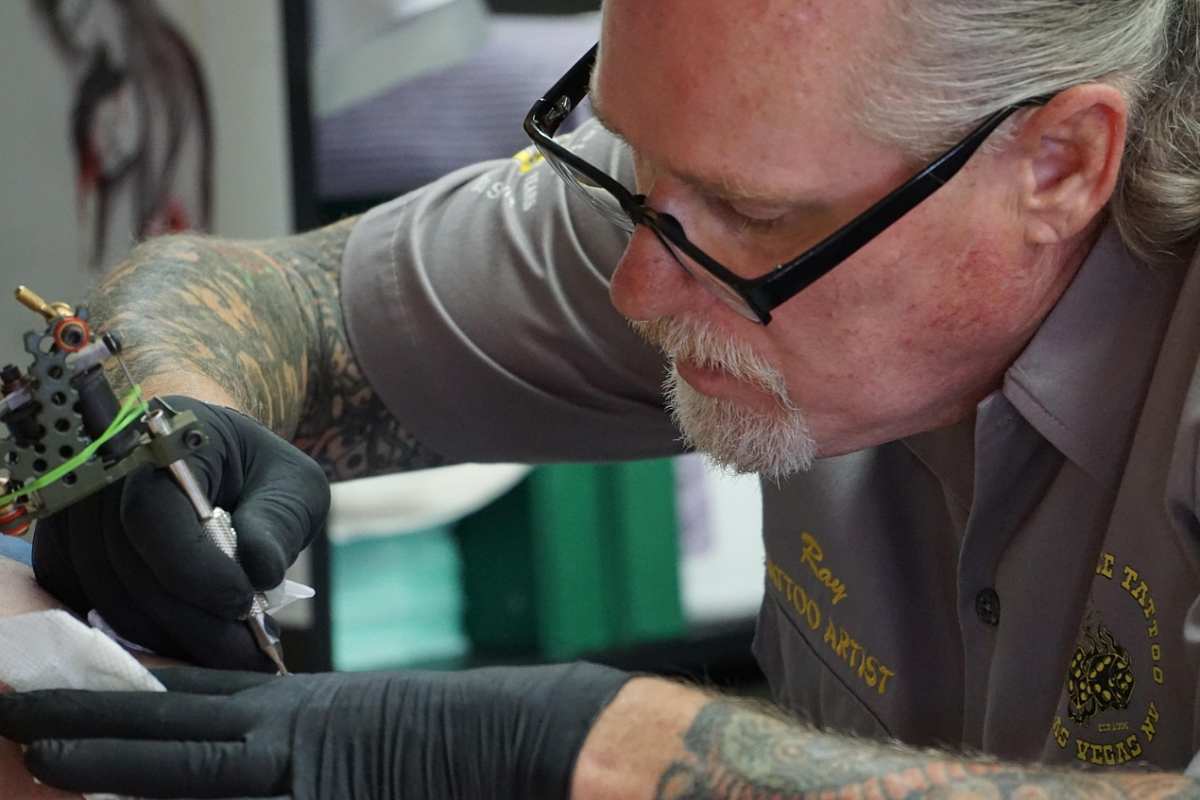
The art of tattooing has been practiced for thousands of years, but the technology behind it has evolved dramatically, especially in recent decades. From crude hand-poked methods to sophisticated laser systems, the tattoo industry has witnessed remarkable innovations that have transformed both how we apply and remove body art. Understanding this evolution helps us appreciate the safety, precision, and options available to tattoo enthusiasts today.
From Ancient Methods to Modern Machines
Early tattooing involved rudimentary tools like sharpened bones, thorns, and bamboo sticks dipped in natural pigments. These methods were painful, time-consuming, and carried significant health risks. The real revolution began in 1891 when Samuel O’Reilly patented the first electric tattoo machine, inspired by Thomas Edison’s electric pen.
This invention transformed tattooing from a painstaking manual process into a more efficient procedure. The electric machine used electromagnetic coils to move needles up and down rapidly, puncturing the skin and depositing ink with greater speed and consistency. This breakthrough laid the foundation for modern tattooing as we know it.
The Rise of Rotary and Coil Machines
Throughout the 20th century, tattoo machines continued to evolve. Coil machines became the industry standard, using electromagnetic current to create the distinctive buzzing sound associated with tattoo parlors. These machines offered artists better control over depth and speed, resulting in more detailed and intricate designs.
Rotary machines emerged as a quieter, lighter alternative. Using a small motor instead of electromagnetic coils, rotary machines provided smoother operation and reduced hand fatigue for artists. Today, many tattoo artists choose between these two types based on personal preference and the specific requirements of each piece.
Digital Age Innovations
The digital revolution has brought unprecedented precision to tattooing. Modern machines now feature adjustable voltage controls, allowing artists to fine-tune their equipment for different techniques like lining, shading, and color packing. Some advanced systems even include touchscreen interfaces and programmable settings.
Cartridge needle systems have largely replaced traditional needle bars in many studios. These disposable cartridges offer improved hygiene, easier setup, and consistent performance. Artists can quickly switch between different needle configurations without the time-consuming process of building and sterilizing needle bars.
Safer Inks and Better Regulation
Tattoo ink technology has progressed significantly alongside machine innovations. Early inks often contained toxic substances and heavy metals that posed health risks. Modern tattoo inks are subject to stricter regulations and quality control, with many manufacturers offering vegan-friendly and organic options.
The industry has also seen improvements in pigment stability and color vibrancy. Contemporary inks maintain their appearance better over time and come in an expanded spectrum of colors. This allows artists to create more nuanced and lasting artwork on their clients’ skin.
The Laser Revolution in Tattoo Removal
Perhaps no advancement has been more significant than the development of laser technology for tattoo removal. Early removal methods included dermabrasion, salabrasion, and surgical excision, all of which were painful and often left scarring. The introduction of Q-switched lasers in the 1990s changed everything.
Modern laser systems use specific wavelengths of light to target and break down tattoo pigments without damaging surrounding skin. These fragmented particles are then naturally eliminated by the body’s immune system. The technology has become so refined that services like laser tattoo removal Indianapolis now offer effective solutions with minimal scarring and downtime.
Today’s picosecond lasers represent the cutting edge of removal technology, delivering ultra-short pulses that shatter ink particles even more effectively than previous generations. This means fewer treatments and better results for people seeking to remove or fade unwanted tattoos.
Wireless and Pen-Style Machines
The latest innovation in tattoo application is the wireless, pen-style machine. These devices operate on rechargeable batteries and resemble an oversized pen, offering unprecedented maneuverability and comfort. Artists can work for longer periods without the constraint of cords or the weight of traditional machines.
These modern tools have made tattooing more accessible and ergonomic. They’re particularly popular for detailed work and allow artists to maintain more natural hand positions, reducing strain and improving precision.
Looking Toward the Future
As technology continues to advance, the tattoo industry shows no signs of slowing down. Researchers are exploring biocompatible inks, augmented reality design tools, and even more sophisticated removal techniques. The gap between getting and removing tattoos continues to narrow, giving people greater freedom in their body art choices.
The evolution of tattoo technology reflects our broader technological progress and changing attitudes toward body modification. What was once a permanent, risky decision has become a safer, more reversible form of self-expression, thanks to decades of innovation and refinement.
Also Read: How Future Tech Success Will Be Measured by Flow, Not Features