
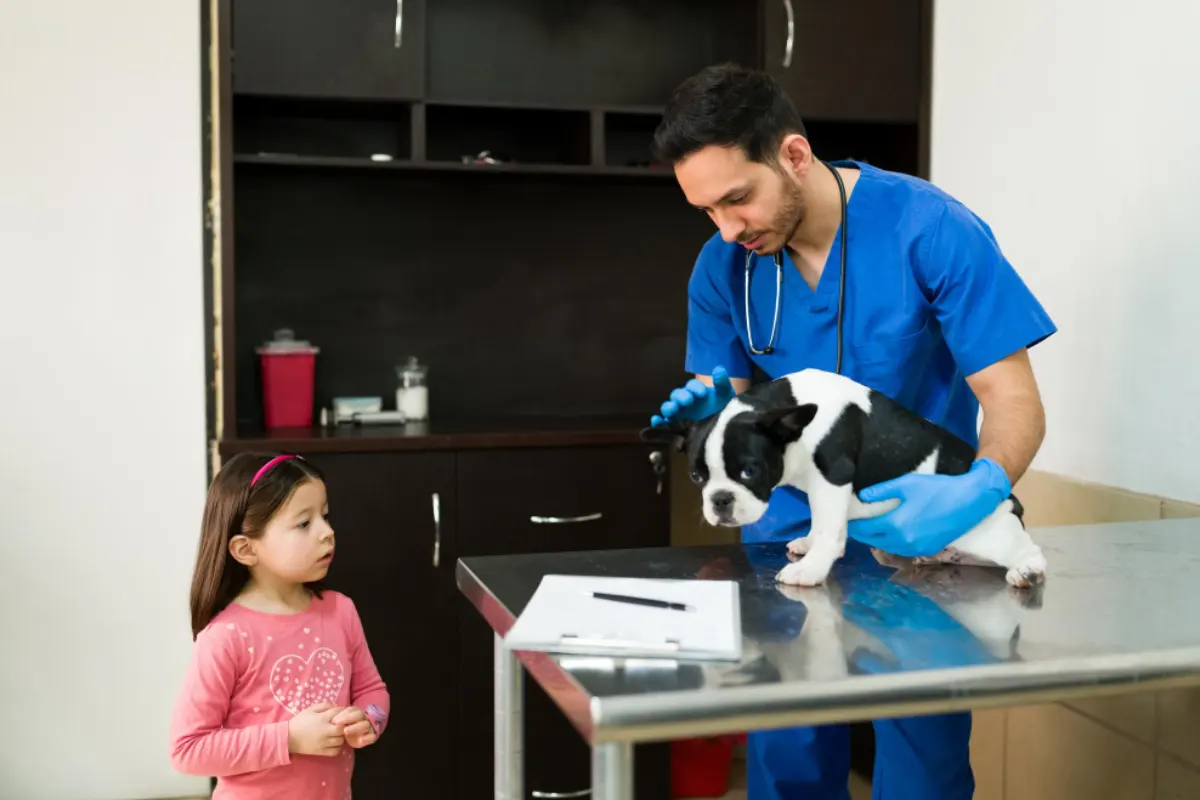
Choosing the right vet tech program in Alhambra can shape your future in ways you might not realize when you’re first exploring a career in veterinary medicine.
If you’ve always been the person friends call when their pet isn’t acting like itself or you’ve dreamed of working alongside veterinarians to improve animal health, selecting the right educational path is one of the most important decisions you’ll make.
The best programs do more than teach technical skills.
They prepare students for the fast-paced, rewarding, and emotionally meaningful world of animal healthcare by combining classroom knowledge with practical experience.
If you’re researching your options, it’s worth exploring a vet tech program Alhambra that emphasizes hands-on learning alongside strong academic foundations.
Why Your Choice of Program Matters
Veterinary technology isn’t a career where you simply memorize information from textbooks.
Every day presents new situations that require critical thinking, communication, and compassion.
One patient may be an energetic Labrador recovering from surgery, while the next could be a frightened rescue cat needing careful handling before an examination.
A quality veterinary technician program prepares students for these real-world scenarios instead of focusing only on theory.
That combination of scientific knowledge and practical confidence often makes the transition from student to working professional much smoother.
Understanding the Role of a Veterinary Technician
Many people assume veterinary technicians spend most of their day cuddling puppies and kittens.
While working with animals is certainly one of the biggest rewards, the job involves much more than that.
Veterinary technicians assist veterinarians during examinations and surgical procedures.
They collect laboratory samples, monitor anesthesia, perform diagnostic tests, administer medications, educate pet owners, and maintain detailed medical records.
Imagine a busy animal hospital on a Monday morning.
One technician may be preparing surgical instruments while another comforts an anxious dog before X-rays, and someone else is explaining medication instructions to a pet owner whose cat was just diagnosed with diabetes.
The variety keeps the profession engaging and intellectually challenging.
What to Look for in a Quality Veterinary Technology Program
Hands-On Clinical Experience
Reading about blood collection is very different from performing it correctly on a live patient.
That’s why practical training should be a major part of any veterinary technology education.
Students benefit from practicing common procedures in supervised environments where they can develop confidence before entering professional settings.
Clinical experience also helps students become comfortable working with different species, personalities, and medical situations.
Experienced Instructors
Learning from instructors who have worked in veterinary hospitals provides valuable perspective.
They often share practical insights that go beyond textbooks, helping students understand how to handle unexpected challenges in real clinical environments.
For example, an instructor might explain not only how to perform a procedure correctly but also how to calm an anxious pet before beginning.
Those small details often make a significant difference in everyday practice.
Modern Laboratory Equipment
Veterinary medicine continues to evolve as new technologies improve diagnostics and patient care.
Training with updated laboratory equipment and clinical tools helps students become familiar with the technology commonly found in today’s veterinary practices.
This familiarity reduces the learning curve after graduation and builds professional confidence.
Building Skills Beyond Animal Care
Successful veterinary technicians rely on far more than medical knowledge.
Communication is equally important.
Pet owners are often worried, emotional, or overwhelmed when their animals become sick.
Being able to explain procedures clearly and answer questions with patience helps create trust between veterinary teams and families.
Organization is another essential skill.
A technician may be responsible for preparing medications, updating patient records, coordinating appointments, and assisting multiple veterinarians throughout a busy shift.
Strong time management keeps everything moving efficiently without sacrificing patient care.
Problem-solving also becomes part of everyday work.
Animals cannot explain where they’re hurting, so technicians learn to observe subtle behavioral changes, monitor vital signs carefully, and recognize early warning signs that require immediate attention.
The Importance of Real-World Learning
Classroom education creates a strong foundation, but experience brings those lessons to life.
Students who practice clinical skills regularly become more comfortable handling patients, communicating with veterinary teams, and adapting to changing situations.
Consider a student assisting during their first dental cleaning.
Initially, every step may feel unfamiliar.
After participating in multiple procedures, however, they begin anticipating each stage, preparing instruments efficiently, and recognizing normal versus abnormal findings.
That confidence develops through repetition and guided experience rather than memorization alone.
Career Opportunities After Graduation
Veterinary technicians work in far more settings than many people realize.
Private animal hospitals remain one of the most common career paths.
However, graduates may also find opportunities in emergency clinics, specialty veterinary hospitals, research facilities, wildlife rehabilitation centers, zoos, animal shelters, and diagnostic laboratories.
Each environment offers unique experiences.
An emergency clinic may involve rapid decision-making and trauma cases.
A specialty hospital might focus on advanced surgery, oncology, or cardiology.
Wildlife rehabilitation centers provide opportunities to care for injured birds, mammals, and native species before they’re returned to their natural habitats.
Having a broad educational foundation makes it easier to explore these different career options over time.
Questions to Ask Before Enrolling
Does the Curriculum Cover Essential Skills?
Review the courses carefully.
A comprehensive veterinary technology curriculum should include anatomy, physiology, pharmacology, microbiology, radiology, anesthesia, laboratory procedures, nursing care, and surgical assistance.
These subjects work together to prepare students for daily responsibilities in clinical settings.
Are Students Given Practical Learning Opportunities?
Ask how much time students spend practicing hands-on skills.
Learning in laboratories, simulation environments, or supervised clinical settings allows students to apply classroom knowledge before entering the workforce.
Does the Program Support Career Readiness?
Preparing for employment involves more than completing coursework.
Programs that help students develop professionalism, communication skills, and workplace confidence often give graduates a stronger start when seeking employment.
Is Veterinary Technology the Right Career for You?
This profession is incredibly rewarding, but it also requires resilience.
Some days involve celebrating successful recoveries and helping families welcome healthy pets home.
Other days may involve difficult medical cases or supporting owners through emotional decisions.
People who thrive in veterinary medicine usually enjoy science, problem-solving, teamwork, and helping both animals and the people who care for them.
If those qualities describe you, veterinary technology can become a deeply fulfilling long-term career.
Final Thoughts
Finding the right educational path is about more than choosing a school close to home.
It’s about selecting a program that combines strong academics, practical clinical training, experienced instruction, and opportunities to build confidence before entering the profession.
The strongest veterinary technician programs prepare students for the realities of modern animal healthcare while helping them develop the technical, communication, and critical-thinking skills employers value.
With thoughtful research and the right training, you’ll be well positioned to begin a career dedicated to improving the health, comfort, and well-being of animals every single day.
Also Read: How a Registered Nurse Staffing Agency Fills Shifts Fast