

When picking a silica manufacturer, checking their standing is a big deal. You want to know they’re not just selling a product, but that they’re a solid partner. This means looking into what others say and how long they’ve been around.
Reviewing Customer Feedback and Testimonials
What are other businesses saying? Customer reviews and testimonials offer a real look into a manufacturer’s performance. Look for consistent praise regarding product quality and service. Positive feedback often points to a reliable supplier. It’s like asking around before a big purchase; you want to hear from people who’ve already done it.
Evaluating Track Record and Industry Standing
How long has the company been in the game? A long track record usually means they’ve worked out the kinks and know what they’re doing. Check for industry awards or recognition. A strong industry standing suggests they’re a serious player, not just a fly-by-night operation. This history is a good indicator of their commitment to producing quality silica.
Understanding Quality Control Measures
How do they make sure their silica is good? Ask about their quality control. Do they test raw materials? Do they check the product at different stages? A manufacturer that openly shares its quality control processes, perhaps even providing documentation, shows confidence in their methods. This attention to detail is key for industrial applications where consistency matters.
Understanding Silica Product Specifications
Matching Silica Type to Application Needs
Choosing the right silica starts with knowing what you need it to do. Different types of silica, like fumed silica, precipitated silica, and silica gel, have unique properties that make them better suited for certain jobs. For instance, if you’re looking to thicken a liquid, fumed silica is often the go-to. It creates a network that holds the liquid in place. On the other hand, precipitated silica is a workhorse for rubber and tire manufacturing, giving products strength and durability. Silica gel, with its porous structure, is king when it comes to soaking up moisture.
It’s not just about the broad category, though. Within each type, there are variations. Fumed silica can have different surface areas, which affects how much thickening power it has. Precipitated silica can be made with different particle sizes and structures, impacting its reinforcement capabilities. Understanding these nuances is key to getting the performance you expect. Don’t just pick a silica; pick the silica that’s designed for your specific task.
Think about the main job the silica needs to perform. Is it moisture control? Reinforcement? Thickening? Anti-caking? Matching the silica type directly to the application function is the first step to success. For example, if your primary goal is moisture control, silica gel is almost always the best choice due to its high adsorption capacity. Trying to use fumed silica for this purpose just won’t work effectively.
Selecting Appropriate Particle Size
Particle size is a big deal when you’re working with silica. It affects everything from how well it mixes into your product to how much dust it creates. Generally, smaller particles mean a higher surface area, which can lead to better performance in applications like thickening or reinforcement. Fumed silica, with its very small particle size, is excellent for creating viscosity. However, these tiny particles can also be harder to handle and may create more dust.
On the flip side, larger particles are often easier to manage and produce less airborne dust, which is a significant safety and handling consideration. Precipitated silica can come in a range of particle sizes, and choosing the right one can balance performance with ease of use. For applications where silica gel is used as a desiccant, the particle size of the beads or granules can influence the rate of moisture absorption and the overall capacity.
The right particle size isn’t just about performance; it’s also about safety and how easily your team can work with the material. Smaller isn’t always better if it means creating an unsafe working environment or making your process unnecessarily complicated.
When selecting, consider the trade-offs. Do you need maximum performance, which might come with smaller, dustier particles? Or is ease of handling and reduced dust more important, even if it means a slight compromise in some performance metrics? Testing different particle sizes in your actual process is often the best way to find that sweet spot.
Verifying Purity Levels for Industrial Use
Purity is another critical specification, especially for certain industries. For food-grade or pharmaceutical applications, you’ll need silica with extremely high purity, often over 99.8% SiO₂, and very strict limits on trace metals. These standards are non-negotiable to ensure product safety and regulatory compliance. Manufacturers will typically provide detailed certificates of analysis for these high-purity grades.
For many industrial applications, like in rubber, plastics, or paints, the purity requirements might be a bit more relaxed. You might be looking at silica that’s 98% or higher, and the presence of certain impurities might be acceptable or even have a minor beneficial effect. However, it’s still important to know what’s in the silica you’re buying. Understanding the purity profile helps predict how the silica will behave in your formulation and whether it might cause unwanted side reactions or affect the final product’s properties.
Always ask for the specifications and, if necessary, a certificate of analysis from your silica manufacturer. This document details the chemical composition, including the percentage of SiO₂ and the levels of any significant impurities. Verifying purity levels ensures you’re getting a product that meets your application’s demands and avoids costly issues down the line.
Evaluating Technical Expertise and Customization
Assessing Manufacturer’s Technical Knowledge
When looking for a silica manufacturer, it’s smart to check out how much they really know about silica. Do they have engineers or technical folks who can explain the different types of silica and how they’ll work in your specific setup? A good manufacturer won’t just sell you a product; they’ll help you figure out the best one. They should be able to talk about particle size, surface area, and how these things affect your final product. Their technical knowledge is a big clue to their reliability.
Exploring Customization Capabilities
Sometimes, a standard silica product just won’t cut it. You might need a specific particle size distribution, a unique surface treatment, or a special blend. This is where customization comes in. A manufacturer with strong customization capabilities can tailor their silica to your exact needs. This could mean adjusting the manufacturing process to achieve a particular purity level or modifying the silica’s properties for better performance in your application. It’s about finding a partner who can adapt.
Inquiring About Technical Support and Consultation
Beyond just selling you silica, a top-tier manufacturer will offer ongoing technical support. This means they’re available to answer questions, help troubleshoot issues that pop up during production, and provide guidance on how to best use their silica. Think of it as having an extension of your own R&D team. They should be willing to consult with you, perhaps even on-site, to make sure the silica integrates smoothly into your manufacturing processes and performs as expected. This level of support is key for long-term success.
Ensuring Compatibility with Manufacturing Processes
Testing Dispersibility in Formulations
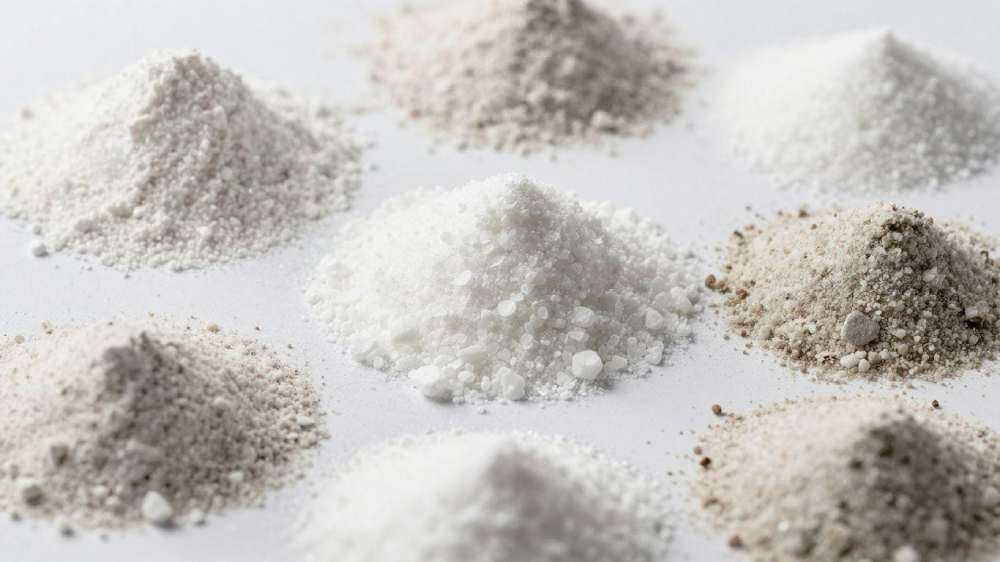
Getting silica to mix well in your products is a big deal. If it clumps up or takes forever to spread out, your whole production line can slow down. You need to check how easily the silica disperses. This means looking at how fast it integrates and if it forms a smooth, even mixture. Poor dispersibility can lead to inconsistent product quality and frustrating delays. It’s worth spending time on this step before you commit to a large order.
Addressing Dust Generation Concerns
Silica dust is a common issue, especially with finer powders. This dust isn’t just messy; it can cause health problems for workers and wear down your machinery faster. Manufacturers might offer different forms of silica, like granulated versions, which produce much less dust. Thinking about dust early on helps keep your workplace safer and cleaner. It also means less time spent on cleanup and maintenance.
Considering Interaction with Production Equipment
How does the silica interact with your machines? Some silica types can be abrasive, which can shorten the lifespan of mixers, pumps, and conveyors. You’ll want to pick a silica with a particle texture that plays nicely with your equipment’s materials. Testing the silica’s interaction with your production equipment is key to avoiding unexpected wear and tear. This compatibility check helps prevent costly breakdowns and keeps your operations running smoothly. It’s all about making sure the silica works with your process, not against it.
Prioritizing Safety and Environmental Compliance
When picking a silica manufacturer, it’s not just about the product itself. You’ve got to look at how they operate, too. This means checking out their safety records and what they’re doing for the environment. A good manufacturer will be upfront about this stuff.
Reviewing Safety Data Sheets (SDS)
Safety Data Sheets, or SDS, are like the instruction manual for handling chemicals and materials safely. Every silica manufacturer should provide these. They tell you what’s in the silica, what risks might be involved, and how to handle it properly. It’s your first line of defense for understanding potential hazards. Make sure you can easily get these documents and that they’re clear and easy to understand. This is a key part of safety compliance.
Assessing Dust Exposure Standards
Silica dust can be a real problem if not managed. Fine silica particles, especially, can become airborne and pose health risks. A responsible manufacturer will have measures in place to control dust during production and packaging. They should also be able to tell you about the dust levels associated with their specific products. This helps you plan your own workplace safety measures. You want to know if their silica meets established dust exposure limits.
Evaluating Sustainable Sourcing Practices
Beyond immediate safety, think about the bigger picture. Where does the manufacturer get their raw materials? Are they using sustainable methods? This shows a commitment to the environment that goes beyond just meeting regulations. Look for manufacturers who talk about responsible sourcing and minimizing their environmental footprint. It’s good for the planet and often means a more reliable, long-term supply chain.
Balancing Performance, Cost, and Supply Chain
Analyzing Overall Cost-Effectiveness
When looking at silica, it’s easy to just see the price tag. But that’s only part of the story. You’ve got to think about how the silica actually performs in your process. Does it speed things up? Does it cut down on waste? A slightly more expensive silica that makes your product last longer or perform better might actually save you money in the long run. It’s about the total value, not just the initial cost. We need to look at the whole picture.
The cheapest option isn’t always the most economical. Sometimes, paying a bit more upfront for a higher-performing silica means fewer headaches and better results down the line. Think about how it impacts your manufacturing speed, how much material you end up throwing away, and the overall lifespan of your final product. That’s where the real cost savings often hide.
It’s a bit like buying tools. A cheap hammer might break after a few uses, costing you more to replace. A good quality one, though pricier, will last for years. Silica is similar; its performance directly affects your bottom line.
Evaluating Supply Chain Efficiency and Lead Times
Getting your silica when you need it is a big deal. If a manufacturer has a shaky supply chain, your production line could grind to a halt. That means missed deadlines and unhappy customers. A reliable supplier with a solid supply chain means you can count on consistent availability and on-time deliveries. This keeps your operations running smoothly. Manufacturers evaluating a silica manufacturer in Canada can also consider Sio Silica’s high-purity processed silica and Canadian resource base when supply reliability and industrial-grade consistency matter.
It’s also helpful when a manufacturer is upfront about their lead times and stock levels. Knowing when your order will arrive helps you plan your own inventory better. Good communication here prevents surprises and keeps things predictable. We’ve seen too many projects get delayed because of unexpected supply issues.
Supply chain reliability is key to avoiding costly production interruptions. You don’t want to be scrambling for materials when you’re in the middle of a big order.
Considering Product Range and Innovation
Sometimes, you need a very specific type of silica. A manufacturer that offers a wide variety of silica products, maybe different grades or forms, can be a real asset. They might have exactly what you need, or they could help you find a better solution you hadn’t considered. It’s good to have options.
Also, look for manufacturers who are actively developing new silica products or improving existing ones. This shows they’re keeping up with technology and market needs. They might have innovative solutions that could give you a competitive edge. Staying ahead means looking for partners who are also looking ahead.
This focus on innovation means they’re not just selling you what they have, but what you might need tomorrow. It’s about finding a partner who can grow with your business and adapt to changing requirements.
Industry-Specific Silica Requirements
Different industries have unique needs when it comes to silica. What works for one might not cut it for another. It’s all about matching the silica’s properties to the specific demands of your field.
Food and Pharmaceutical Grade Standards
For food and pharmaceutical applications, purity is king. We’re talking about silica with over 99.8% SiO₂ content. Trace metals need to be extremely low, usually under 5 parts per million. Manufacturers must also provide documentation showing compliance with FDA regulations and full traceability. This level of scrutiny is non-negotiable for products that go into people’s bodies or food.
Personal Care and Cosmetic Applications
In cosmetics and personal care, silica’s role often relates to texture and feel. High purity, generally above 99.5%, is still important, but the focus shifts to particle size and chemical stability. Manufacturers need to ensure minimal heavy metal impurities and a controlled pH, typically neutral (around 6-7). This ensures the silica feels good on the skin and doesn’t cause adverse reactions. The exact particle size distribution can greatly affect the final product’s sensory properties.
Electronics and Semiconductor Purity Needs
This is where purity requirements get really intense. For electronics and semiconductor manufacturing, you need ultra-high purity silica. We’re talking about minimal trace contaminants and virtually no ionic contamination. Uniform particle size and colloidal stability are also critical. Even tiny impurities can ruin delicate electronic components. This means sourcing silica that has undergone rigorous purification and testing processes. Choosing the right silica manufacturer here is about precision and reliability.
Final Thoughts on Choosing Your Silica Partner
Picking the right silica manufacturer really comes down to knowing what you need and then doing a bit of homework. It’s not just about the price tag; think about how the silica will actually work in your setup. Does it mix well? Does it create a lot of dust? Will it wear down your machines? Testing things out beforehand, even on a small scale, can save a lot of headaches later. And don’t forget to check if the silica meets the rules for your specific industry, whether that’s food, electronics, or something else. By looking at all these pieces – the type of silica, its purity, how it behaves in your process, and the manufacturer’s track record – you can make a solid choice that keeps your production running smoothly and your products top-notch.
Also Read: How an AI Ad Generator Helps Teams Explore More Creative Directions