
The business environment for small and medium-sized enterprises (SMEs) is far more dynamic and competitive than that for large businesses. Large businesses typically have unlimited resources, large teams, and ample room for error; however, these resources are much more limited for SMEs. By leveraging AI-powered technology, business intelligence (BI) tools will continue to provide SMEs with a competitive advantage. These tools will help them make informed decisions based on both their financial resources and market conditions, without requiring them to hire data scientists or a team of high-level technology support staff.
The data challenge faced by SMEs
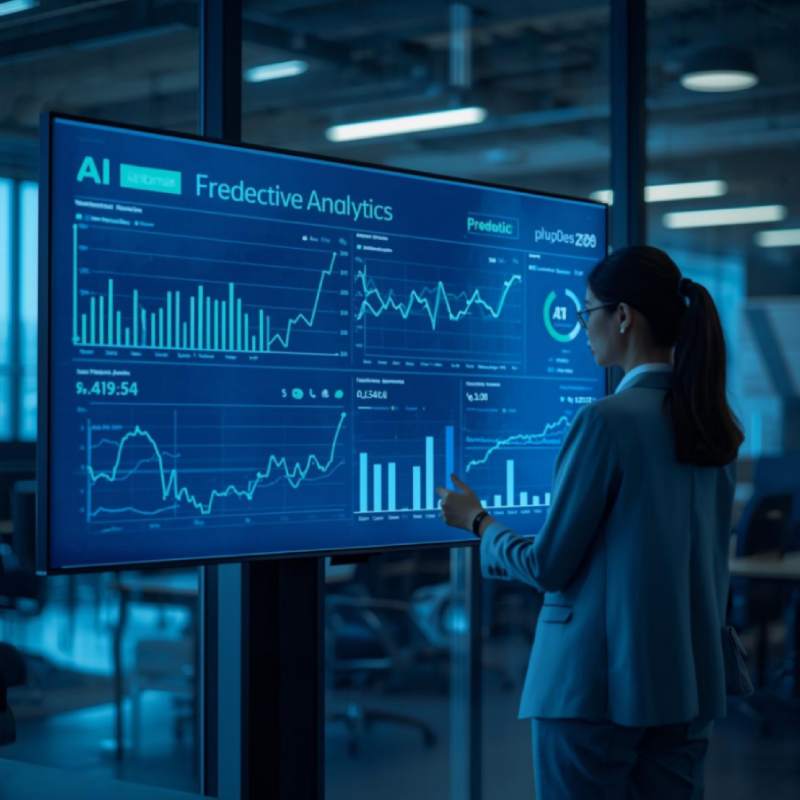
The challenge with SME data is that they have a lot of it: sales, financial, customer, and vendor data, but they typically don’t utilize it effectively. This data is usually stored across multiple spreadsheets, accounting applications, and other online applications. As a result, manually analyzing the data is time-consuming and prone to errors. Most business owners don’t get a clear picture of their operational performance until the data review process is complete.
SMEs cannot effectively use traditional reporting tools because these tools only report on what has already happened. In contrast, AI-powered business intelligence (BI) can analyze and identify patterns in large volumes of data and provide predictions, insights, and recommendations, allowing SMEs to strategize their operations before results are even available.
The Impact of AI on Business Intelligence
AI brings a new level of speed, accuracy, and intelligence to business analytics (BA). Instead of relying on pre-written/static reports, small and medium-sized enterprises (SMEs) can utilize real-time dashboards that update in near real-time as new data becomes available.
1. Advancements in Financial Analysis
By using AI to analyze financial statements (balance sheets, profit and loss statements, cash flow statements), SMEs can identify changes (or “outliers”) early in the process, identify potential problems before they escalate, and better predict their expected financial performance. Funders who use AI for financial analysis often find that they can quickly identify trends related to increased expenses, declining margins, etc. This allows funders to take corrective action before a small problem becomes a major one.
2. Predictive Market Intelligence
Using historical data with AI capabilities, businesses can predict customer demands and preferences, industry trends, and competitive activity. SMEs can leverage these predictions by adjusting pricing, managing inventory levels, and planning marketing activities based on anticipated customer purchasing behavior.
3. Automated Decision Support Systems
AI has not only changed how companies collect and store data; it has also changed how companies analyze and access this data. This shift in data collection/management processes and the development of full-featured business intelligence (BI) platforms have resulted in companies today having access to a wealth of information that is easy to use and incredibly powerful. This new capability empowers SME owners to make informed decisions based on facts, rather than relying on analysis or consulting services provided by others.
The Importance of AI-Powered BI for SMEs
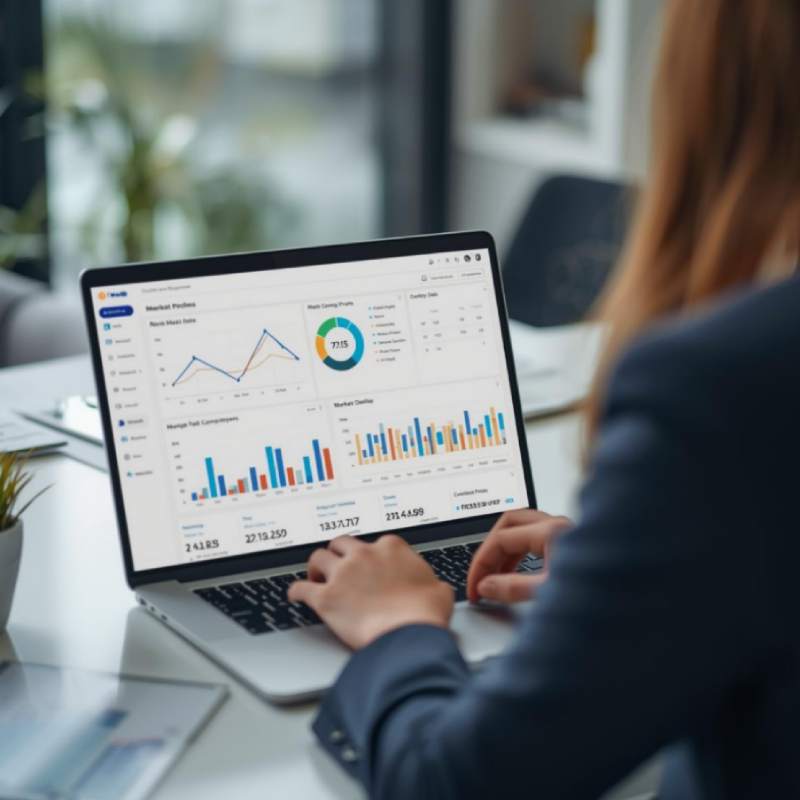
Small and medium-sized enterprises (SMEs) can gain significant time and efficiency by using AI-powered business intelligence to eliminate manual processes and streamline decision-making, allowing them to shift from reactive to proactive decision-making.
With AI capabilities, companies using AI-powered business intelligence, like Tofler – business intelligence platform, can organize and consolidate all their company data for analysis, enabling them to evaluate potential partners, mitigate potential risks, and identify growth opportunities.
Improved Risk Management and Compliance
AI-powered business intelligence plays a crucial role in improving risk management and compliance. AI models help identify risk factors in small and medium-sized enterprises (SMEs) based on financial ratios, past payment history, and industry averages.
When SMEs have greater transparency into their financial health and market position, they are less likely to make poor decisions, and therefore, they improve their compliance efforts and build stronger relationships with their business partners.
Risk Management and Compliance Functions
AI-powered business intelligence will help you assess your company and identify current and future risks. By analyzing financial ratios, payment history, and industry averages, AI models can help you focus on potential risks.
AI-powered business intelligence can help you and your team avoid making poor financial decisions and improve your overall level of compliance with the laws and regulations affecting your business.
Furthermore, as you gain greater clarity about your company’s financial health and the overall marketplace, you will be able to build stronger relationships with your vendors, lenders, and new clients.
The Role of Cloud Technology
Cloud-based solutions provide organizations with a way to deploy AI-powered financial tools. This model is particularly attractive to small and medium-sized businesses (SMBs) because it allows them to access advanced analytical capabilities without incurring high costs—capabilities that were previously only available to very large enterprises.
Furthermore, with cloud-based solutions incorporating the many benefits of AI, an SMB can immediately begin utilizing its analytical capabilities without investing in the long-term capital expenditures required to acquire these resources. An additional benefit for most organizations deploying cloud technology is that they are only billed for what they use and do not have to worry about any ongoing maintenance costs associated with maintaining their cloud solution.

Conclusion: Decision-Making for SMEs
In today’s data-rich environment, companies that rely solely on manual analysis of collected data will find it difficult to keep up; ultimately, they will fall behind.
By implementing AI-powered BI solutions and a business intelligence platform like Tofler, SMEs will not only gain better financial visibility but also a deeper understanding of their surrounding market, ultimately enabling them to make faster, more informed decisions using their resources more efficiently. Using business intelligence will help SMEs to boost profitability and provide sustainable growth in a rapidly evolving, data-driven business environment.