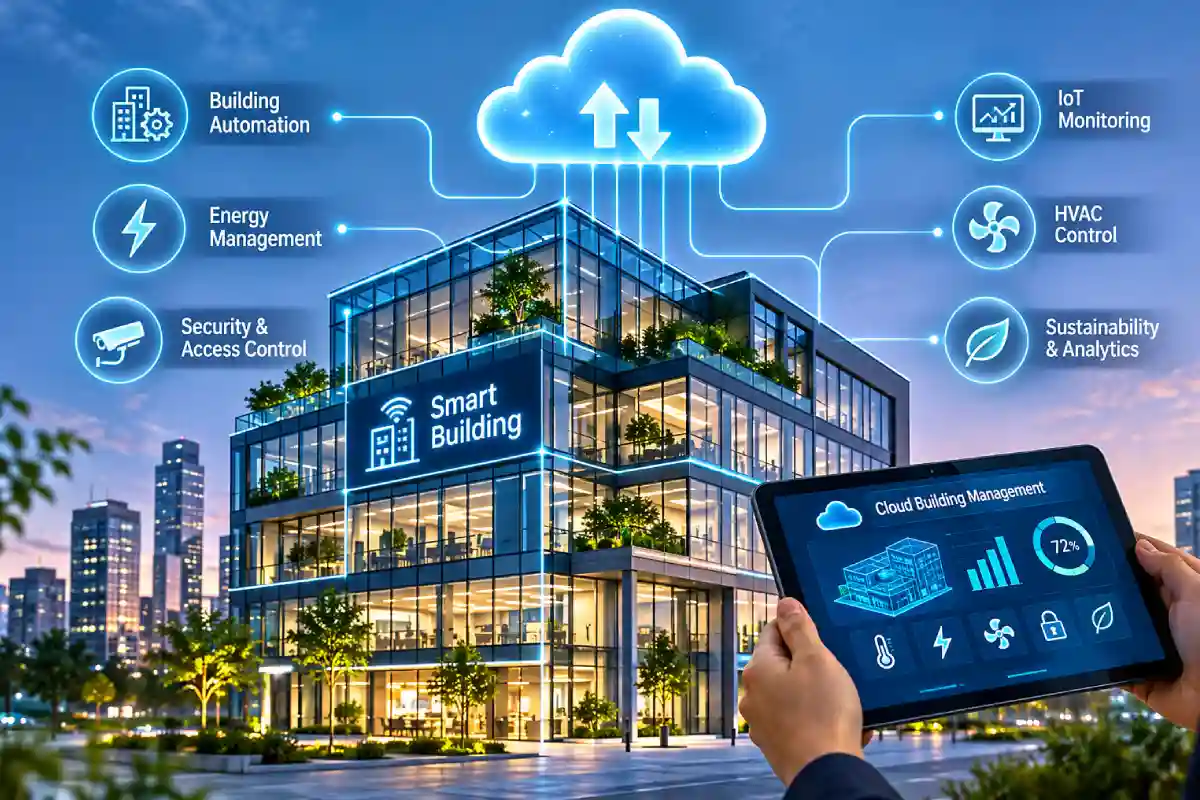
Smart Buildings and Cloud Technology: A building is no longer considered smart simply because it has automated lighting or a digital security system. Modern properties are increasingly connected through cloud platforms, Internet of Things (IoT) devices, and intelligent building management systems that allow owners to monitor and control different aspects of a property remotely.
From residential homes to large commercial buildings, these technologies are changing how properties are maintained, managed, secured, and valued. They are also creating new opportunities for real estate investors and property owners who want to make better decisions using real-time information.
As cloud computing becomes more integrated into the built environment, property ownership is gradually shifting from reactive maintenance toward data-driven management. However, this transformation also raises important questions about cybersecurity, long-term costs, and the reliability of connected systems.
What Makes a Building Smart?
A smart building uses connected technologies to monitor and manage different building functions. These may include heating, ventilation, air conditioning (HVAC), lighting, security cameras, access controls, energy consumption, and equipment maintenance.
IoT sensors collect information from different parts of the property and transmit it to centralized systems. Cloud platforms then store, process, and organize this information, allowing owners and facility managers to access it through computers or mobile devices.
For example, a connected thermostat can monitor indoor temperatures and automatically adjust heating or cooling based on occupancy. Similarly, water-leak sensors can notify property owners when unusual moisture levels are detected, potentially preventing expensive structural damage.
The important difference is that these systems can work together rather than operating independently. Owners gain a more complete picture of how their properties are performing.
How Cloud Technology Is Changing Property Management
One of the biggest advantages of cloud-connected buildings is the ability to manage properties without being physically present.
This is particularly useful for landlords and investors who own multiple rental properties. Instead of visiting every location to check equipment, security systems, or environmental conditions, they can access information through a centralized dashboard.
Cloud-based property management systems can also bring together maintenance requests, tenant communications, inspection records, and operational information.
Mike Otranto, Owner of Wake County Home Buyers, brings a real estate investment perspective to this development. From the perspective of someone involved in buying and evaluating residential properties, one important consideration is how well a property can be maintained after acquisition.
Connected monitoring systems can help owners identify maintenance issues earlier, rather than waiting until a small problem becomes an expensive repair. For investors managing multiple properties, having access to consistent property information can also make it easier to prioritize maintenance and plan renovations.
This does not mean technology replaces property inspections or experienced contractors. Instead, it gives owners another source of information when deciding what needs attention.
Energy Efficiency and Lower Operating Costs
Energy management is another area where cloud technology can make a meaningful difference.
Traditional buildings often operate heating, cooling, and lighting systems according to fixed schedules. This can result in unnecessary energy consumption, particularly when rooms or entire sections of a building are unoccupied.
Smart building systems can use occupancy sensors, temperature monitoring, and automated controls to adjust energy usage according to actual conditions.
For example, an office building might automatically reduce cooling in unused conference rooms. A residential property could adjust its thermostat when occupants leave for work.
Cloud platforms allow owners and facility managers to review energy consumption patterns over time. This information can help identify inefficient equipment, unusual energy usage, and opportunities to improve building performance.
The U.S. Department of Energy has highlighted how connected building technologies can improve energy performance while creating opportunities for more flexible energy management. However, these benefits depend on proper system design and cybersecurity practices.
For property owners, the financial impact can extend beyond monthly utility bills. More efficient equipment operation may also reduce unnecessary wear and help extend the useful life of building systems.
Cybersecurity: The Biggest Challenge of Connected Properties
As buildings become more connected, cybersecurity becomes an essential part of property ownership.
Smart cameras, electronic locks, connected thermostats, access-control systems, and building management platforms all create potential entry points for cybercriminals if they are not properly secured.
A compromised system could expose sensitive information, interrupt building operations, or allow unauthorized access to connected devices. In larger commercial properties, poorly secured building systems could potentially affect physical operations as well.
Ron Connelly, Chief Information Security Officer at DP Solutions, brings an important cybersecurity perspective to this issue. His experience in information security highlights why organizations need to approach connected infrastructure with security built into the system rather than treating it as an afterthought.
For smart buildings, this means property owners should understand which devices are connected to their networks, who can access them, and how vendors manage the information collected.
Practical security measures include:
- Strong authentication: Use unique passwords and multi-factor authentication wherever supported.
- Regular updates: Keep device firmware, applications, and building management software updated.
- Network separation: Keep smart building devices separate from networks used for sensitive business or personal information.
- Access management: Give contractors, employees, and service providers only the permissions they need.
- Vendor assessment: Understand how technology providers store, process, and protect building data.
The National Institute of Standards and Technology (NIST) is working to strengthen cybersecurity across building systems, including HVAC, lighting, elevators, and security infrastructure.
Security is especially important when building systems are remotely accessible through cloud platforms.
Why Smart Technology Matters to Real Estate Investors
Smart buildings are not just a concern for technology companies or commercial property developers. They are becoming increasingly relevant to residential real estate investors.
When evaluating an investment property, buyers traditionally consider location, purchase price, structural condition, rental potential, and renovation requirements. Technology infrastructure is becoming another factor worth examining.
Casey TeVault, Founder of Casey Buys Houses, works in real estate acquisitions and has experience with distressed properties, renovations, and investment opportunities. His perspective is particularly relevant when considering how technology fits into a property’s long-term condition and investment potential.
For investors purchasing older homes, understanding the existing electrical systems, internet connectivity, HVAC equipment, and compatibility with modern smart devices can help identify potential upgrade requirements.
A property with outdated infrastructure may require additional investment before connected systems can be installed effectively. On the other hand, a property with modern wiring, reliable connectivity, and compatible equipment may offer a smoother transition toward smart home technology.
Investors should also consider whether an upgrade will appeal to the property’s intended buyers or tenants. Not every smart device increases resale value, and expensive installations do not automatically translate into higher rental income.
The objective should be to invest in technology that solves practical problems rather than adding features simply because they are available.
Digital Maintenance and the Rise of Predictive Property Management
Traditional property maintenance is often reactive. An owner receives a complaint about an air-conditioning problem, discovers a water leak during an inspection, or replaces equipment after it stops working.
Smart building technology offers another approach: predictive maintenance.
Sensors can continuously monitor equipment performance and identify unusual changes that may indicate developing problems. For instance, a commercial HVAC system might show unusual vibration or temperature patterns before a component fails.
Instead of waiting for a complete breakdown, property managers can investigate the issue and schedule maintenance earlier.
This approach can be particularly useful for commercial buildings, apartment complexes, and investors managing several rental properties.
Cloud-based maintenance records also help owners maintain a history of repairs, equipment replacements, and inspection findings. This information can be useful when budgeting for future expenses or preparing a property for sale.
However, predictive systems are not perfect. Sensor failures, inaccurate readings, and poorly configured alerts can create unnecessary maintenance requests. Human inspections and professional assessments remain important.
Are Smart Buildings Worth the Investment?
Although connected technology offers several advantages, installing smart building systems requires careful financial planning.
Costs can include sensors, connected equipment, installation, software subscriptions, internet infrastructure, cybersecurity services, and ongoing maintenance.
Older properties may also require electrical or network upgrades before certain systems can operate reliably.
Property owners should begin by identifying the problems they want to solve. A landlord concerned about water damage might benefit more from leak detection sensors than from an expensive whole-building automation system.
Similarly, a commercial property owner experiencing high energy costs may find that smart HVAC controls offer a more practical starting point.
The return on investment should be evaluated through measurable outcomes, such as reduced energy consumption, fewer emergency repairs, improved equipment performance, and more efficient property management.
Owners should also consider whether the technology will remain supported over time. Devices that depend on discontinued software or a single vendor can become expensive liabilities.
The Future of Property Ownership Is Connected
Smart buildings represent a broader change in how people interact with real estate. Properties are increasingly becoming connected environments where physical infrastructure and digital technology work together.
Cloud computing makes it possible to monitor buildings remotely, IoT devices provide continuous information, and intelligent software helps owners make more informed operational decisions.
For real estate investors, these developments create opportunities to improve maintenance planning, manage properties more efficiently, and evaluate long-term ownership costs. At the same time, cybersecurity, compatibility, and installation expenses must remain part of the investment decision.
The most successful smart buildings will not necessarily be those with the largest number of connected devices. They will be properties where technology serves a clear purpose, protects the people using the building, and supports the long-term performance of the asset.
Ultimately, smart property ownership is less about having more gadgets and more about having better information. As cloud technology continues to evolve, that distinction could become increasingly important across the real estate industry.