
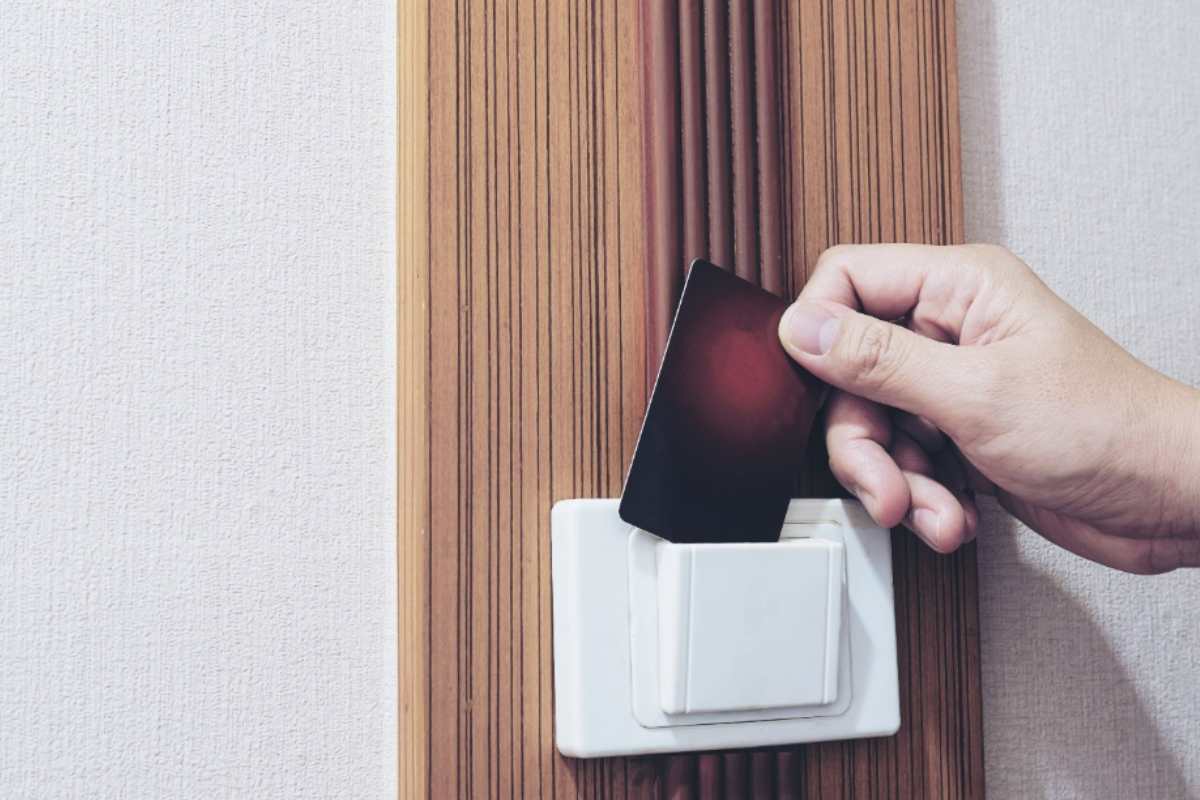
Security technology often feels like jargon. Access levels. Credentials. Protocols. Most of that matters to administrators, not to people who just need to get inside a building without hassle. Contactless security access cards sit at the intersection of convenience and control. They let authorized people move through doors and checkpoints without keys, codes, or physical contact. They reduce friction in daily movement while supporting structured entry policies.
This article explains how contactless access cards work and why they matter in real spaces, not just on paper.
How Contactless Cards Change Entry
At its core, a contactless access card looks and feels like a standard ID badge. What sets it apart is the embedded radio frequency technology.
When the card comes near a reader, it communicates wirelessly. The system verifies the credential and then allows or denies entry.
There is no insertion, no swiping, no touching shared surfaces. Just hold the card near the reader, and the system responds.
This contactless method is faster and more resilient than traditional approaches.
A Better Alternative to Keys
Physical keys have limitations.
They can be copied. They can go missing. When one disappears, facilities often change locks so security is restored.
With contactless security access cards, permissions are digital. If a card is lost or compromised, it can be deactivated instantly. The rest of the system keeps working without disruption.
This difference matters in workplaces, multi tenant buildings, and facilities with rotating staff.
Faster Movement, Minimal Delay
In high traffic environments, every second adds up. Swiping magnetic cards or punching codes creates bottlenecks, especially during shift changes or class transitions.
Contactless access cards respond in a fraction of a second. Users present the card and move on. There is no pause, no line forming, no fumbling.
That responsiveness supports efficient movement without sacrificing compliance.
Integration With Secure Systems
Contactless cards do not operate alone. They connect to broader access control systems that define who can enter where and when.
Administrators can:
- assign access by individual or group
- set schedules for different doors
- update credentials centrally
- log entry events for reporting
This level of management aligns access with operational needs without adding complexity for users.
Hygiene and Shared Spaces
Contactless access has an additional benefit in buildings where health concerns matter.
Because the card does not need to touch any surface, it reduces contact points in shared environments. In places where many people enter and exit throughout the day, this contributes to a cleaner experience for everyone.
This is not about eliminating all contact. It is about minimizing unnecessary touchpoints in common areas.
Durability and Lifespan
Cards designed for contactless access tend to hold up well to everyday use.
They do not require physical insertion into readers, which reduces mechanical wear. A standard access card can go through years of daily handling without deterioration.
Durable cards mean fewer replacements and less administrative overhead.
Where They Fit Best
Contactless security access cards work well in a range of settings:
- corporate offices
- schools and campuses
- industrial sites
- residential complexes
Anywhere access needs to be controlled without slowing people down is a good fit.
Each environment may have different requirements, but the core benefits stay the same: ease of use, straightforward management, and defined entry privileges.
Managing Credentials Over Time
Part of any access control plan is maintenance.
Employees join and leave. Tenants move in and out. Roles evolve. With the right system, updating access rights is a matter of software, not hardware. A card can be reprogrammed or deactivated instantly. New cards can be issued in minutes.
This flexibility makes contactless access practical for long term operations.
Choosing the Right Cards
Not all contactless cards are interchangeable.
Different systems use different standards and frequencies. Before adopting a solution, it is important to confirm compatibility with existing readers and access control infrastructure.
A reliable provider offers a range of contactless security access cards that work with standard systems and support future scalability.
What It Feels Like in Daily Use
For most people, using a contactless access card becomes second nature.
You walk toward a door, hold the card near the reader, and the door responds.
There is no pause. No fumbling. No shared surfaces involved.
That ease of use is not about novelty. It is about removing unnecessary steps from everyday movement.
When It Pays Off
Investing in contactless access cards is not about following a trend. It is about making secure entry systems more efficient, manageable, and user friendly.
For facilities with many users, multiple access points, or evolving needs, this approach keeps operations smooth without diluting security.
In real life, that means fewer headaches at entry points and clearer control behind the scenes.
Security should support daily flow, not interrupt it. Contactless security access cards do exactly that.
Also Read: Cloud Migration and the IT Disposal Problem Nobody Plans For