
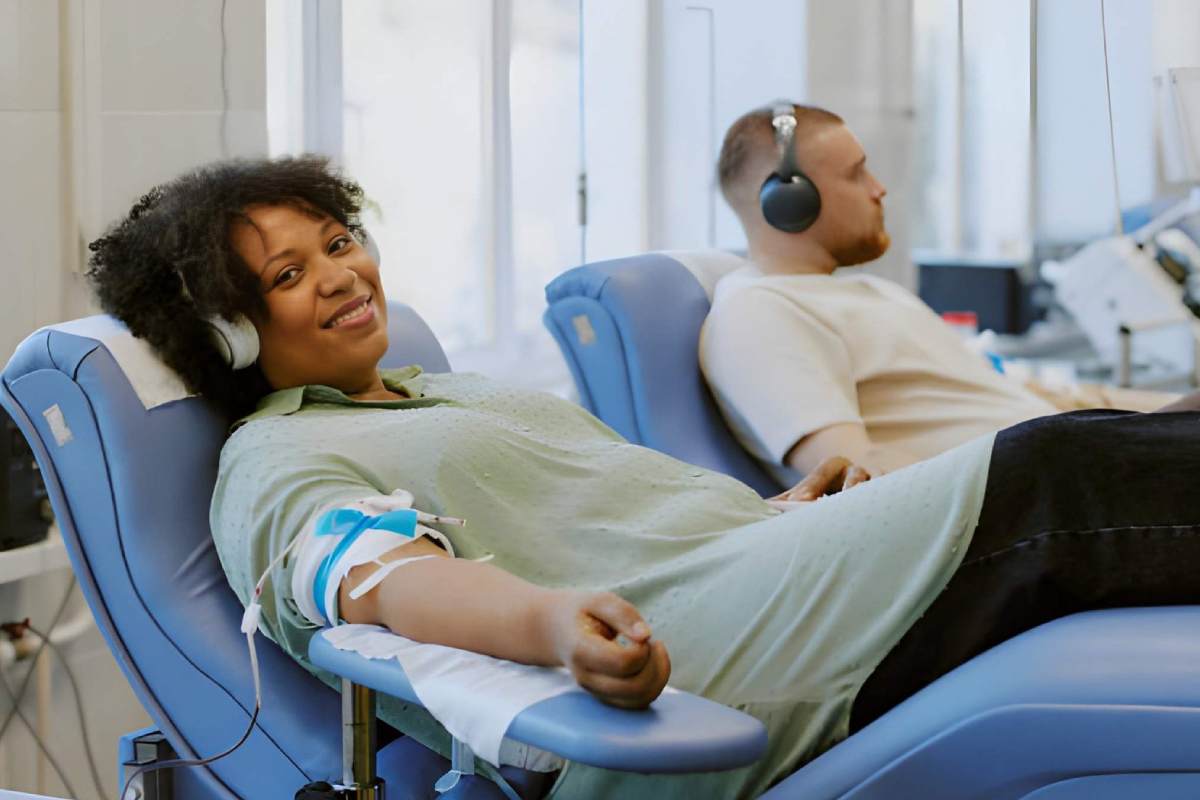
If you have ever looked for a simple way to support healthcare in a direct, practical way, plasma donation is worth considering. Plasma is used to create therapies that many patients rely on long-term, not just in emergencies. For people with immune disorders, bleeding disorders, and other serious conditions, plasma-based medicines can be the difference between managing life and constantly fighting to stay stable.
This guide breaks down what plasma is, why it is needed, what the donation process looks like, and how to choose a reputable place to donate plasma in NJ. It also covers aftercare, common concerns, and the etiquette that makes you a great donor and a good neighbor.
Understanding Why Plasma Donation Matters
Plasma donation can feel abstract until you understand where it goes and why the supply matters. Once you do, it becomes easier to see your time as something that translates into real treatment for real people.
What Plasma Is and Why It Is Needed
Plasma is the liquid portion of blood. It carries important substances through the body, including proteins that support clotting and immunity. It also helps maintain blood volume and blood pressure. Those properties are exactly why plasma is so valuable in medicine.
Plasma is used to manufacture therapies that treat a range of conditions. The demand stays high because many plasma-derived medicines are ongoing needs, not one-time interventions. That means donation is not only about responding to a crisis. It helps keep a steady supply available for patients who need treatment month after month.
Where Plasma Shows Up in Medical Care and Research
Plasma is central to therapies made from plasma proteins. These include immunoglobulins, which support people whose immune systems do not function normally, and clotting factors used to treat bleeding disorders like hemophilia.
Plasma has also been part of broader research efforts, including work around infectious disease response and the development of new therapeutic approaches. Even when your donation is used for existing therapies, it supports a medical pipeline that depends on steady, regulated collection.
How One Donation Connects to Patient Outcomes
It is easy to think of donation as a single action, but plasma is often processed into medicines that reach many patients across multiple use cases. Your donation becomes part of something larger: a reliable supply chain that keeps treatments available.
For patients with chronic immune conditions, consistent access to therapy can mean fewer infections, fewer hospitalizations, and a more stable quality of life. For people with bleeding disorders, plasma-based treatments support safer daily living and safer outcomes during surgeries or injuries.
What the Plasma Donation Process Looks Like
Many first-time donors hesitate because they do not know what to expect. The reality is that licensed centers are designed to run a repeatable, safety-focused process.
Step by Step: Screening, Donation, and Recovery
A plasma donation visit typically follows a predictable flow:
You start with registration and screening. Centers review identification, eligibility, and a health questionnaire. They also perform basic checks to confirm it is safe for you to donate that day.
Then comes the donation itself, called plasmapheresis. Blood is drawn through a sterile needle, a machine separates plasma, and the remaining components are returned to you. This is why the process can take longer than a standard blood donation.
Many people describe the overall visit as taking a couple of hours, especially for first-time donors, since screening can take longer on the first appointment.
How Long It Takes and What It Feels Like
Time varies by center and by how busy they are, but first visits often take longer. Return visits can be faster once your profile is established.
In terms of comfort, most donors compare the sensation to a standard blood draw. You may feel a quick pinch when the needle is placed. During apheresis-style procedures, some people experience mild side effects like feeling cold, lightheaded, or slightly tingly. These are usually manageable and the staff is trained to respond.
The Role of Aftercare in Feeling Good After You Donate
Aftercare is where many people can make the experience easier on themselves.
Hydration matters. Donating plasma removes fluid, so drinking water before and after can help you bounce back.
Eating a balanced meal helps too, especially something with protein and complex carbs. Many centers offer snacks after donation, but you will feel best if you treat the rest of your day like recovery time.
It is also smart to avoid very intense exercise right after your appointment. Give your body a chance to settle, especially if you are new to the process.
Clearing Up Common Concerns and Misconceptions
A lot of hesitation comes from outdated information or rumors. It helps to separate what is true from what is simply repeated.
“It’s Too Painful” Versus What Most Donors Experience
Plasma donation involves a needle, so it is fair to expect a brief pinch. Beyond that, discomfort is usually minimal when the needle is placed properly and you stay relaxed.
If you are anxious, tell the staff. A good center will walk you through what is happening and help you get comfortable before they start.
“I’ll Be Exhausted for Days” Versus Typical Recovery
Some people feel tired afterward, especially if they skipped meals, did not hydrate, or came in already run down. For most donors, any lightheadedness or fatigue improves with rest, fluids, and food.
The best way to reduce the odds of feeling rough is to treat donation like an appointment that deserves preparation. Show up hydrated, eat beforehand, and plan a calm schedule afterward.
How Often You Can Donate Plasma
This is one area where reliable guidelines matter.
In the U.S., federal rules set a maximum frequency for plasma donation. The limit is generally once in a two-day period and no more than twice in a seven-day period. Your center may apply additional rules based on your health and screening results, but that federal maximum is the key baseline.
The Benefits of Donating Plasma
People donate for different reasons. Some care most about the mission. Others appreciate that there can be practical benefits too.
Compensation and Donor Incentives
Many plasma centers offer compensation for your time. The amount varies by center, location, promotions, and donation frequency. Some sources describe typical ranges per donation and note that incentives can raise the total for consistent donors, especially for new-donor promotions.
If compensation matters to you, the best approach is to check directly with the specific center you plan to use, since programs can change and differ even within the same brand.
Health Monitoring and Peace of Mind
Donation centers screen donors regularly. While this is not a replacement for primary care, some people appreciate the routine checks as an extra layer of awareness around basic vitals and eligibility measures.
Just as important is the mental side. Many donors describe a sense of purpose after donating, especially once they understand how plasma-based therapies support people with serious medical needs.
Community and Consistency
Donating plasma can also feel surprisingly social. You start recognizing staff and other regular donors. Over time, it can become a steady routine that makes you feel connected to something bigger than your own schedule.
If you donate with a friend or family member, it can be an easy shared habit. It turns “we should do something helpful” into a repeatable action.
How to Choose a Plasma Donation Center in New Jersey
If you want to donate plasma in NJ, focus on legitimacy, safety standards, and donor experience. A reputable center will be clear about procedures, professional in screening, and consistent in cleanliness.
What to Look For Before You Book
Start with basics that signal a well-run operation:
Clean, organized facility and clear check-in flow
Staff who explain steps without rushing you
Transparent eligibility requirements and documentation needs
Clear policies for scheduling, cancellations, and payout method (if offered)
It is also smart to read reviews with a calm eye. One bad day can happen anywhere. What matters is whether complaints show a pattern, such as long waits every visit, poor communication, or careless handling.
Eligibility Basics You Will Commonly See
Eligibility varies by center, but common requirements often include being an adult, being in good health, meeting minimum weight requirements, and having valid identification and a local address. Some centers also have rules around recent tattoos or piercings.
If you are unsure whether you qualify, call ahead. It saves time, and a well-run center will answer these questions clearly.
Understanding Rules and Expectations in NJ
Even though plasma collection is guided heavily by federal standards, your experience still happens in a local setting. Centers operate within health and safety rules, and destinations often have local ordinances that affect things like parking, traffic, and noise. The good news is you do not need to memorize regulations. You just need to choose a reputable center and follow their guidance, since they are responsible for operating within required standards.
Practical Tips for a Smooth First Donation
If your goal is to donate plasma in NJ without making it harder than it needs to be, preparation is everything.
The Day Before and the Day Of
Get a normal night of sleep. Eat balanced meals. Drink plenty of water.
On donation day, avoid showing up on an empty stomach. Bring your ID and any documentation the center requests. Wear comfortable clothing with sleeves that make it easy to access your arm.
If you are worried about the time, bring headphones, a podcast, or something easy to watch. The process is easier when you are not staring at the clock.
After Donation: Keep It Simple
Plan a low-key remainder of the day if you can. Hydrate, eat, and avoid heavy lifting right away.
If you notice bruising at the needle site, treat it gently. If anything feels unusual or persistent, contact the center. They would rather hear from you early than have you worry at home.
Being a Great Guest in the Donation Community
Donation is personal, but it also involves staff, other donors, and the community around the center.
Arrive on time when possible. Follow the rules about food, phones, and the donation floor. Be honest during screening so the staff can keep you safe and protect recipients.
If you have a good experience, a thoughtful review helps. Mention cleanliness, staff clarity, wait time, and anything a first-time donor would want to know.
Final Thoughts
Plasma donation is one of those actions that feels small in the moment and significant when you zoom out. It supports therapies that patients rely on, and it strengthens the medical supply chain that makes those therapies possible.
If you are considering whether to donate plasma in NJ, start by choosing a reputable center, preparing well for your appointment, and keeping your aftercare simple. Once you know the flow, it becomes a straightforward routine that can genuinely help others while fitting into your normal life.
Also Read: The Role of AI in Physical Security