
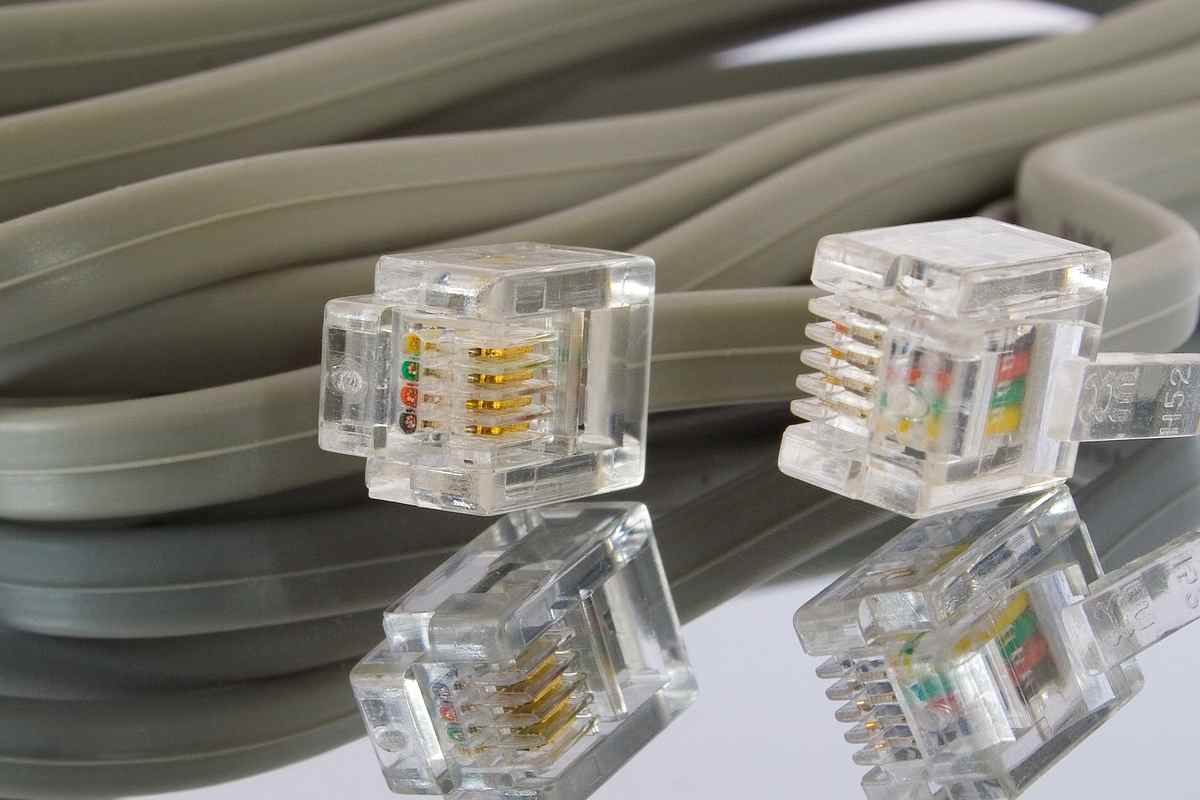
Walk into any hardware store, and you see reels, spools, and neatly packaged products that all look similar. Yet the labels say “cord,” “cable,” or “wire,” and each one is meant for a different job. If you buy the wrong one, you risk tripping breakers, getting poor signal quality, or creating a safety hazard. The stakes get even higher when you buy in volume, for example, when a contractor orders bulk extension cords or an installer sources bulk coaxial cables for a large project.
Many people guess based on appearance or price and hope for the best. That approach can lead to overheated conductors, damaged devices, or failed inspections. With a clear picture of what these terms mean and how professionals use them, you can match the right product to each task. The goal is simple. Safe power where you need it, clean signals where they matter, and fewer unpleasant surprises once everything is installed.
Why These Terms Matter More Than You Think
“Cord,” “cable,” and “wire” are not marketing fluff. These words reflect how a product is built and where it should be used. Once you link the term to the structure inside the jacket, picking the right product becomes much easier. You also gain a better sense of what your electrician, installer, or inspector is talking about.
The context matters. An audio engineer, a data center tech, and a residential electrician might use these exact terms, but their mental images differ. For a homeowner, a cord might mean a power strip that lives behind the TV. For an engineer, it might mean a temporary power lead for test equipment. The structure is similar, but ratings, durability, and safety rules can vary significantly.
There is also a cost angle. If you choose an oversized product for a simple task, you spend more than you need to. If you undersize, you may get voltage drop, signal loss, or even melted insulation. Learning the basics of each category gives you more control over cost, performance, and safety in the same decision.
What Is a Wire
In simple terms, a wire is a single electrical conductor. That conductor can be solid or stranded, tinned or bare, insulated or bare, small or heavy gauge. When people say “house wiring,” they often mean individual conductors in a cable assembly, but a wire, by definition, is one path for current, not a full assembly by itself.
Solid wire uses a single metal core. It holds its shape, making it useful for use in walls, panels, and fixed installations. It bends, but it does not like to be bent over and over. Stranded wire uses
many thin strands twisted together. That structure gives it flexibility and makes it better for situations where movement or vibration is common, such as inside machines or in automotive harnesses.
Insulation also matters. Some wires have simple PVC insulation for indoor use. Others use higher-grade materials to handle higher temperatures, chemicals, UV exposure, or abrasion. When you look at the print on a wire, you will see ratings for voltage, temperature, and sometimes for specific environments. Those little markings tell you where that wire can safely live and how hard you can push it.
What Is a Cable
A cable combines two or more insulated conductors, often with a shared jacket. Think of a cable as a bundle that adds organization, protection, and sometimes shielding around multiple wires. Many people picture power cables in walls, but the same idea applies to Ethernet cables, HDMI cables, and countless other low-voltage products.
In power applications, a cable might contain a hot, neutral, and ground conductor under a common outer sheath. This makes installation easier and neater, and it keeps all conductors that share a circuit in one protected assembly. Ratings like “NM-B” or “MC” tell electricians which cable can go where, such as inside walls, in conduit, or in exposed locations.
In signal applications, cable design gets even more specific. Twisted pairs reduce electromagnetic interference. Shielding blocks external noise or keeps signals from radiating out. The geometry inside the cable controls impedance for high-speed data or RF signals. In these cases, the word “cable” almost always implies a precise design that supports a specific type of signal over a defined distance.
What Is a Cord
A cord is usually a flexible cable designed as a removable connection between a device and a power source. Think of the power lead on a laptop, the cord on a vacuum cleaner, or the long orange product you run across the yard to power tools. Cords are meant to be handled, unplugged, coiled, and moved around. That everyday use shapes how they are built and tested.
Power cords typically use fine stranded conductors to keep them flexible. The outer jacket must resist abrasion, occasional twisting, and light impact. Ratings like “SJTW,” “SJEOW,” or “SOOW” give clues about flexibility, temperature range, moisture resistance, and outdoor suitability. A cord that is fine for indoor office use might fail quickly in a cold, wet jobsite if you ignore those codes.
Another key feature of cords is the presence of molded plugs and connectors. Many cords are sold as finished assemblies with specific plug types, conductor count, and gauge. Others arrive as cordage that you terminate with your own ends. Either way, the function is the same. A cord
bridges the gap between a fixed electrical source and a device that needs to move, while keeping conductors insulated and strain-relieved.
Safety, Ratings, and Matching the Job
Once you see the structure behind each term, the next step is matching current, voltage, environment, and usage time to the right product. Ampacity charts help you pick the correct gauge. Voltage ratings protect against breakdown under load. Environmental ratings tell you if a product can handle sunlight, oil, moisture, or temperature extremes. These factors matter more than color or brand name.
For example, a thin lamp cord might power a small desk lamp just fine. Use that same cord on a space heater for several hours, and you risk overheating and insulation damage. Similarly, a low-grade indoor extension cord used outdoors in rain or snow puts users at risk of shock and can cause nuisance tripping or worse. The wrong choice may work for a short time, yet fail when stress or time accumulates.
Codes and standards play a role as well. The National Electrical Code, UL standards, and manufacturer guidelines dictate what is acceptable in permanent installations, in plenum spaces, or in hazardous areas. Even if you are a homeowner, it is wise to respect those limits. They are based on years of testing and field experience with fires, failures, and recalls.
Buying Tips and Label Clues for Better Choices
When you buy any cord, cable, or wire, the label is your friend. Look for gauge (AWG), conductor count, insulation type, temperature rating, and any special markings like UL, ETL, or CSA. For signal products, check impedance ratings, shielding type, and standards compliance, such as Cat6 or RG6. Treat vague packaging with no detailed specs as a warning sign, not a bargain.
Think ahead about length and routing. A longer run often calls for a heavier gauge to limit voltage drop or signal loss. Tight bends or frequent movement favor flexible designs instead of stiff, solid conductors. Outdoor or industrial environments call for tougher jackets that can survive rough handling. A little planning saves money and reduces the chance of having to replace the product early.
Finally, do not hesitate to ask questions or consult a qualified electrician for borderline cases. The cost of a short consultation is small compared to the cost of a fire, damaged equipment, or failed inspection. Once you get comfortable reading markings and thinking in terms of structure and purpose, you will find that choosing between a cord, a cable, and a wire becomes a clear, confident decision instead of a guess in a crowded aisle.
Also Read: Bridging the Gap: IIoT Integration with CMMS System